Hydroponics 101: A Comprehensive Guide to Your Most Frequently Asked Questions
Hello, my fellow green-thumbed friends! Or should I say, blue-thumbed? Because we're about to dive into the wonderful world of
hydroponics - gardening without soil. Now, I know what you're thinking, "Gardening without soil? Is that like cooking without food?" But stick with me here, because it's about to get real interesting!
What on Earth (or not) is Hydroponics?
Hydroponics, my friends, is the science (and art, if you ask me) of growing
plants without soil. Now, before you start picturing levitating
plants in a sci-fi movie, let me clarify. In
hydroponics, we substitute soil with
water enriched with nutrients. So, instead of getting nutrients from the soil, the
plants get them directly from the
water. Genius, right?
Why Should I Try Hydroponics?
So, why should you get into
hydroponics? Well, are you tired of battling it out with pests and diseases? Do you want to grow
plants all year round, regardless of the weather outside? Do you live in a city apartment and have no space for a traditional garden? If you answered yes to any of these questions,
hydroponics might just be your new best friend!
How Do I Start My Hydroponic Garden?
Great question, aspiring hydroponic gardener! Firstly, you need to decide what kind of system you want to set up. There are several types, including the wick system, deep
water culture, nutrient film technique, and more. Each has its pros and cons, and the best one for you depends on your unique circumstances. But don't worry, we'll discuss these systems in more depth in a future blog post.
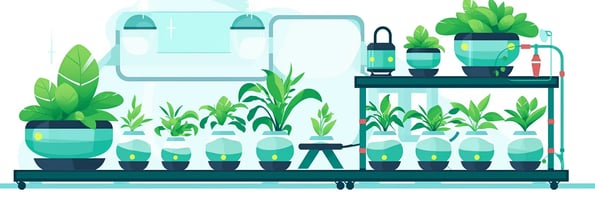
Next, you'll need to get your hands on some hydroponic equipment. This includes a grow tray,
reservoir, submersible pump, air stones, and air pump. Sounds like a lot, I know. But remember, you won't be needing any soil or traditional gardening tools, so it evens out!
Then, you'll need to choose your
plants. Almost any plant can be grown hydroponically, but some are easier than others. Lettuce, spinach, and herbs are great for beginners. Tomatoes, cucumbers, and peppers are more advanced but still doable.
Finally, you'll need to mix your nutrient solution and add it to your
reservoir. This is the "food" your
plants will live on, so make sure it's balanced and complete.
How Do I Take Care of My Hydroponic Garden?
Taking care of a hydroponic garden is different from a soil-based one, but it's not necessarily harder. In fact, in many ways, it's easier! You don't need to worry about watering your
plants, as they're always in
water. However, you do need to monitor the pH and nutrient levels in the
water regularly and adjust them as necessary.
Is Hydroponics Environmentally Friendly?
You bet it is!
Hydroponics uses up to 90% less
water than traditional gardening. Plus, because there's no soil, there's no soil erosion. And because you can grow
plants anywhere, even indoors, there's less need for transportation, reducing carbon emissions. So, you can feel good about your new hobby!
Alright, folks, that's it for
Hydroponics 101. I hope I've answered your most burning questions and ignited a passion for
hydroponics within you. Stay tuned for more in-depth posts on the different types of hydroponic systems, the best
plants for
hydroponics, and more. Until then, happy (hydroponic) gardening!