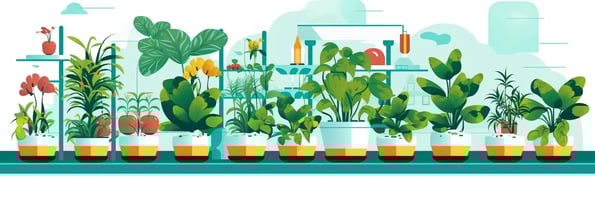
Hydroponics 101: The Ultimate Guide to Your DIY Indoor Garden
Hello there, green-thumbed reader! So, you've decided to venture into the world of
hydroponics, huh? Excellent choice! I mean, who doesn't want their own indoor garden, bountiful with fresh produce, all year round? Who needs seasons when you've got science, right? Let's dive into the magical world of
hydroponics and see how you can set up your own indoor garden, without breaking the bank or your back!
What the Heck is Hydroponics Anyway?
I hear you, "hydro-what?"
Hydroponics, my friend, is an innovative method of growing
plants without soil. Yes, you read that right - no soil! Instead,
plants are grown in a nutrient-rich
water solution. It's like giving your
plants a Michelin-star meal every day. They grow faster, produce more, and you don't have to worry about those pesky weeds. And the best part? You can do it right in the comfort of your own home. No more battling the elements or those annoying rabbits that keep eating your lettuce.
Getting Started with Hydroponics
Alright, let's get down to business. What do you need for your indoor garden? Well, not much really. A few basic things:
- A hydroponics system (Don't panic, we'll talk more about this.)
- Light (Sunlight is great, but if you're lacking in the window department, artificial light works too.)
- Nutrient solution (Your plants gotta eat, right?)
- Seeds or plants (It wouldn't be a garden without them!)
- An adventurous spirit (Trust me, you'll need it.)
Hydroponics Systems: Which One is Right for You?
Now, there's a bunch of different
hydroponics systems out there. It can be a bit overwhelming. But fear not, I'm here to help you navigate the waters (pun definitely intended).
- Wick System: The easiest and most basic system. Think of it as hydroponics for dummies. It uses a wick to draw the nutrient solution to the plants. No moving parts, no electricity, just good old capillary action.
- Deep Water Culture (DWC): Sounds fancy, but it's basically just your plants chilling in a nutrient bath with their roots. The trick is an air pump that keeps the water oxygenated.
- Nutrient Film Technique (NFT): This one's for the gardeners who like living on the edge. The plants are held at an angle, and a thin film of nutrient solution is pumped over the roots. It's a bit tricky, but hey, fortune favors the bold.
- Aeroponics: The NASA of hydroponics systems. The roots hang in the air and are misted with the nutrient solution. It's like a spa day for your plants, but it requires careful monitoring.
Choose your weapon based on your space, budget, and how much of a challenge you want. Remember, half the fun is in the journey!
Lights, Nutrients, Action!
Next up is lighting. If you have a sunny spot, great! If not, you'll need grow lights. Fluorescent lights work well for leafy greens, while high-intensity discharge (HID) lights are better for fruiting
plants. LED grow lights are a bit pricier, but they're energy-efficient and last longer.
And let's not forget the nutrient solution. This is the lifeblood of your
hydroponics system. It's a mix of
water and essential nutrients that your
plants need to grow. You can buy pre-made mixes or make your own if you're feeling adventurous.
The Seed of Success
Finally, you need to choose your
plants. Leafy greens and herbs are a good start for beginners. If you're feeling ambitious, you can try tomatoes, cucumbers, or even strawberries. Start from seeds or buy seedlings. Just make sure to wash off any soil before introducing them to your system. Remember, we're soil-free here!
The Bottom Line
And there you have it, folks! Your very own DIY
hydroponics system. It might seem a bit intimidating at first, but trust me, the satisfaction of harvesting your own homegrown produce is worth it. Plus, you'll have the coolest indoor garden on the block. So roll up your sleeves, embrace your inner scientist, and start your hydroponic adventure today. Happy growing!