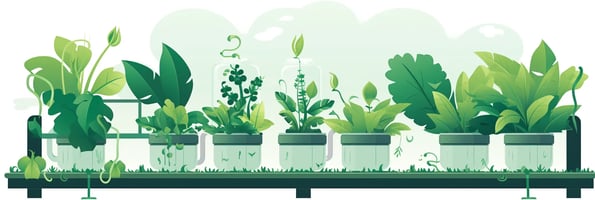
Hydroponics 101: Your Complete Guide to Mastering the Art of Soilless Gardening
Hey there, green thumb! If you’re reading this, chances are you're ready to dive headfirst into the world of
hydroponics. Or perhaps you've tripped and fallen in by accident? Either way, welcome!
Hydroponics is a fascinating way to garden that doesn't rely on soil. And it's not as complicated as it sounds, I promise. So, buckle up, plant lovers; it's going to be a wild ride.
What on Earth is Hydroponics?
Is it a new type of music genre? A brand of bottled
water? No, my friend, it's the future of gardening.
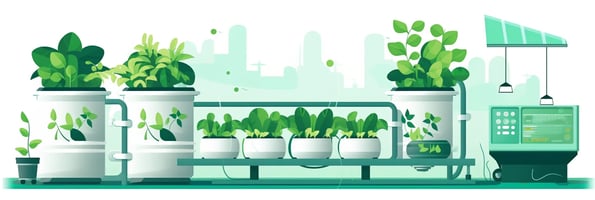
Hydroponics is a method of growing
plants without soil. Instead,
plants are grown in a nutrient-rich
water solution. The roots absorb the nutrients they need to grow directly from the
water. It's like giving your
plants a direct IV of what they need to thrive. Who doesn't like the sound of that?
Why Should I Try Hydroponics?
Good question, I'm glad you asked. Imagine growing your own garden in your tiny apartment. Or harvesting fresh tomatoes in the dead of winter. With
hydroponics, you can do just that. It's space-efficient, it's productive, and it's really, really cool. And did I mention you won't have to deal with soil? That means no more mud, no more weeds, and no more back-breaking labour.
But Isn't It Difficult?
No, it's not. It's just different. In fact, once you get the hang of it, you might find it easier than traditional gardening. Remember when you tried to learn how to ride a bike? It seemed impossible at first, right? But now you're a pro.
Hydroponics is the same.
So, How Do I Get Started?
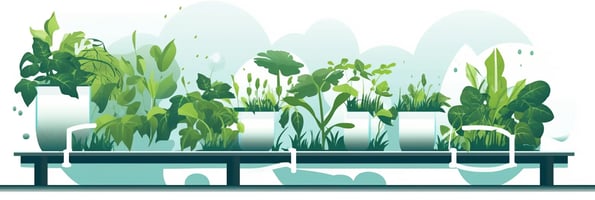
First, you need a hydroponic system. There are six main types to choose from: wick system, deep
water culture, nutrient film technique, ebb and flow, aeroponics, and drip system. Each has its pros and cons, and the best one for you depends on your needs, your resources, and how much of a challenge you're looking for.
Once you've got your system set up, it's time to choose your
plants. Leafy greens and herbs are a great place to start. They grow well in hydroponic systems and are perfect for beginners. As you get more comfortable, you can start growing more challenging
plants like tomatoes, strawberries, or even cucumbers.
The next step is to get your nutrient solution. This is the lifeblood of your hydroponic garden, the magical potion that feeds your
plants. You can buy pre-made solutions or make your own if you're feeling adventurous (or just looking to save some cash).
After that, it's all about maintenance. Regularly check the pH levels of your nutrient solution, keep an eye on your
plants for any signs of disease, and adjust your lighting as necessary.
Any Last Tips?
Sure, here are a few nuggets of wisdom to end this post:
- Patience is key. Like any new hobby, hydroponics can be frustrating at first. But stick with it, and you'll see results.
- Experiment. Don't be afraid to try different systems, plants, and nutrient solutions. That's part of the fun!
- Enjoy the journey.Hydroponics isn't just about the end result. It's about the process, the learning, and the satisfaction of growing something with your own two hands.
So, are you ready to take the leap into soilless gardening? I hope so. Because once you do, you'll never look back. And remember, every great gardener started as a beginner. So, don't be afraid to get your hands wet (instead of dirty this time!).
Happy hydroponic gardening, my friends!