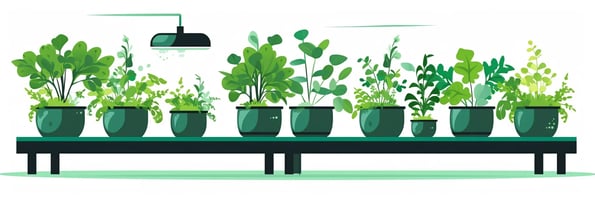
Hydroponics 101: Your Complete Guide to the Future of Gardening
Hey there, green thumb! You've probably heard of
hydroponics, haven't you? It's that fancy term that people throw around when they're talking about the future of farming. No soil, no problem, right? Well, I'm here to tell you that it's not just a fad. It's the real deal, and it's here to stay. So, buckle up, because we're about to dive into the world of
hydroponics!
What in the Green World is Hydroponics?
In the simplest terms,
hydroponics is growing
plants without soil. Yeah, you heard me right. No dirt. Nada. Zilch. Zero. It’s like magic – but, you know, with a dash of science.
So, how does it work? Well, it's all about delivering the nutrients directly to the plant's roots, usually through a
water-based solution. The
plants are supported by an inert medium like perlite or clay pellets. No need for them to struggle through layers of soil to find their meal. It's like a 5-star buffet, but for
plants!
The Benefits of Hydroponics
You might be thinking, "But why? Soil has been working out fine for millions of years!" Well, my friend, let me tell you about the benefits of
hydroponics.
Faster Growth
Firstly,
plants grow faster. How much faster, you ask? Up to 50% faster! It’s like they’ve discovered the secret to time travel. But it’s not really a secret, it’s just
hydroponics.
More Yield
Secondly, you get more yield. With the right setup, you can grow up to 10 times the amount of crops in the same space as traditional soil-based farming. Now that's what I call efficient!
Less Water
Thirdly, it uses less
water. A lot less. About 90% less, to be exact. No more worrying about droughts or
water restrictions. The
plants sip on what they need, and the rest is recycled back into the system. It’s like they’ve gone green on us!
The Types of Hydroponics Systems
Now that we’ve got your attention, let’s talk about the different types of hydroponic systems. There are six main types, but don’t worry, we won’t get too technical. It's not rocket science, after all. It's just plant science!
Wick System
The Wick system is the simplest, it's like the training wheels of
hydroponics. It uses a wick to draw the nutrient solution from a
reservoir to the
plants. No pumps, no timers, no fuss.
Deep Water Culture (DWC)
DWC is like a plant hot tub. The
plants sit in a net pot with their roots dangling in the nutrient solution, while an air pump keeps things oxygenated. It's a plant party!
Nutrient Film Technique (NFT)
In NFT, the nutrient solution is pumped onto a sloping trough and flows over the roots of the
plants, which are supported by a thin layer of material. It's like a plant
water slide!
Ebb and Flow
The Ebb and Flow system is like the tide at the beach. The grow tray is flooded with nutrient solution and then drained back into the
reservoir.
Aeroponics
Aeroponics is the most high-tech. The
plants are suspended in air and the nutrient solution is misted onto the roots. It's like a plant spa!
Drip System
In the Drip system, the nutrient solution is dripped onto the roots of each plant from a small drip line. It's like...well, it's like a drip!
Conclusion
So there you have it, folks.
Hydroponics 101. It might seem like a lot to take in, but remember, every expert was once a beginner. Start small, learn as you go, and who knows, you might just become the next hydroponic guru. And remember, in the world of
hydroponics, the grass is always greener – because there is no grass, just
water and very happy
plants!