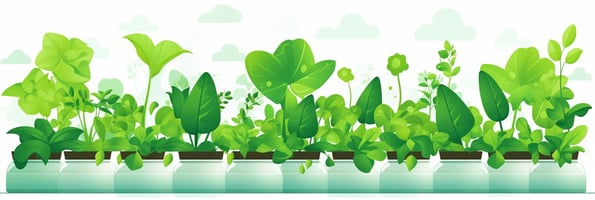
Hydroponics 101: Your Ultimate Guide to Soil-less Gardening - All Questions Answered!
Hey there, green thumbs and wannabes! Let's dive straight into the deep end of the gardening pool. Today we're talking about
hydroponics. What is
hydroponics, you ask? No, it's not a new genre of trance music or a trendy exercise regime. It's the future of gardening, my friends. Trust me, it's even cooler than it sounds.
What is Hydroponics Anyway?
Here's the science bit.
Hydroponics is a method of growing
plants without soil. Yes, you read that right - no soil. I can see you scratching your head, thinking, "But
plants need soil to grow, right?" Well, not necessarily.
In conventional gardening, soil acts as a nutrient
reservoir but it's not essential for plant growth. What
plants really need to survive are nutrients,
water, and sunlight.
Hydroponics provides a direct nutrient and
water cocktail to plant roots. It's like an all-you-can-eat buffet for
plants!
Why Go Hydroponic?
"So, why should I bother with
hydroponics?" I hear you say. Well, there are several reasons. First of all, it's super efficient.
Plants grown hydroponically mature 25% faster and produce 30% more than their soil-grown counterparts. They're basically the overachievers of the plant world.
Second, it's great for urban dwellers with limited outdoor space. All you need is a sunny windowsill or a grow light, and voila! You've got yourself a little urban jungle.
Third,
hydroponics uses 90% less
water than traditional gardening. So, while you're growing those juicy tomatoes, you're also doing your bit for the environment. Win-win!
The Set-Up
Alright, let's get down to business. What do you need to get started with
hydroponics? Here's a basic checklist:
- A hydroponic system (you can buy one or DIY if you're handy)
- Hydroponic nutrients (remember, it's all about that nutrient cocktail!)
- Light source (either natural or artificial)
- pH testing kit (because acidity matters, folks)
- Plants or seeds (obviously)
Don't worry, you won't need a degree in botany to get started. There are plenty of beginner-friendly hydroponic systems on the market.
Types of Hydroponic Systems
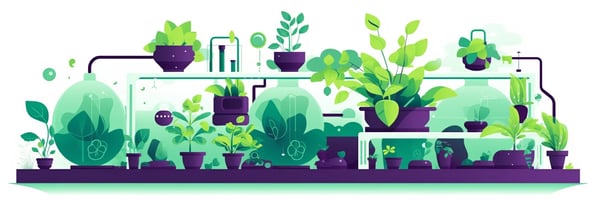
There are 6 main types of hydroponic systems: Wick, Deepwater Culture (DWC), Nutrient Film Technique (NFT), Ebb and Flow (Flood & Drain), Aeroponics, and Drip systems. No, these aren't secret societies or fancy cocktails, they're different ways of delivering nutrients and
water to your
plants.
Each system has its pros and cons, and the best one for you depends on your budget, space, and what you want to grow. Do some research and choose the one that suits you best.
The Downside
Now, I wouldn't be doing my job if I didn't talk about some of the downsides of
hydroponics. It's not all sunshine and roses (although you can grow both with
hydroponics!).
First, it can be more expensive to set up than traditional gardening. You'll need to invest in a system, nutrients, and possibly grow lights.
Second, it's a more hands-on approach. You need to regularly check and adjust the nutrient solution and pH levels. It's a bit like having a pet, but a pet that gives you fresh herbs and veggies.
Lastly, pests and diseases can still be a problem. Just because it's soil-less doesn't mean it's trouble-free. However, there are plenty of organic pest control options available.
The Verdict
So, is
hydroponics worth it? Absolutely! It's efficient, eco-friendly, and perfect for small spaces. Plus, there's something strangely satisfying about growing your own lettuce on your windowsill.
Remember, every gardening journey starts with a single seed (or in this case, a nutrient solution!). So why not give
hydroponics a try? You might just find it's the perfect solution for your green thumb. Happy gardening, folks!