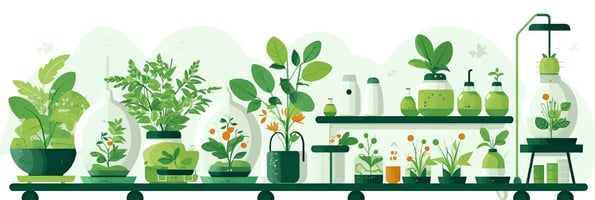
Hydroponics 101: Your Ultimate Guide to Soil-less Gardening Success
Hello there, green thumbs and curious minds! Today we're diving deep into the world of
hydroponics. I bet you've heard about it, right? No? Don't worry, that's why we're here. I mean, who needs soil when you can have
water, eh?
What on Earth is Hydroponics?
Hydroponics, my dear friend, is not some Greek mythological deity (although the word does originate from two Greek words: 'hydro' for
water and 'ponos' for labor). It's a method of growing
plants using mineral nutrient solutions in
water, without soil. That's right, folks! No soil. Isn't that neat? Like growing your beloved basil in a bathtub. But please, don't do that. Your significant other might not appreciate it.
The Hydroponics Magic
So, how does this magical soil-less gardening work, you ask? Well, it's simple. Instead of getting nutrients from the soil, the
plants get their nutrition directly from the
water. It's like a plant's version of an all-you-can-eat buffet. Yummy!
Hydroponics Systems: Which One is Right for You?
No, not all hydroponic systems are created equal. And yes, you have to choose. I know, life is full of tough decisions. But don't panic. Let me break it down for you:
- Wick System: The lazy gardener's dream. It's passive, non-recovery, no moving parts. Just a wick connecting your plant and the nutrient solution. Simple as pie.
- Water Culture System: Ever fancied a floating garden? This is your chance! Your plants float on top, their roots in the nutrient solution below. Just make sure they don't get seasick.
- Ebb and Flow System: Sounds like a cool band name, right? In this system, your plants get flooded with nutrient solution at specific intervals. It's like your plants are on a strict diet.
- Drip System: The most common system. Think of it as a plant ICU. Each plant gets its own drip line to deliver the nutrient solution. Talk about VIP treatment.
- Aeroponics: The NASA of hydroponics. Your plants hang in air and get misted with the nutrient solution. It's as high-tech as it sounds.
Why Should You Jump on The Hydroponics Bandwagon?
You might wonder, "Why should I bother with
hydroponics when good old-fashioned soil has served my ancestors well?" Well, my friend, here's why:
- Space-Saving: Got a small apartment? No problem! With hydroponics, you can grow your plants vertically. So, you can finally have that indoor jungle you've always dreamed of.
- Water-Efficient: It uses about 10% of the water traditional gardening does. Mother Earth will thank you.
- Higher Yields: Imagine harvesting 3-10 times the amount in the same space. That's hydroponics for you!
- No Weeds: No soil means no weeds. It's a gardener's dream come true!
Hydroponics Ain't Perfect
There's no such thing as a free lunch, right?
Hydroponics has its downsides too:
- Expensive Setup: It can be pricey to set up initially. But hey, think of all the fresh tomatoes you'll get.
- Needs Constant Monitoring: You can't just plant it and forget about it. You need to monitor the nutrient levels and pH balance frequently. Plants are such divas!
Wrapping Up
So, there you have it. Your handy-dandy guide to
hydroponics. It might seem like a lot to take in, but don't worry. You'll get the hang of it. And remember: Rome wasn't built in a day, and neither will your
hydroponics garden. Happy gardening, folks!
That's it for now, green thumbs. Until next time, may your
plants grow strong and your harvest be bountiful.