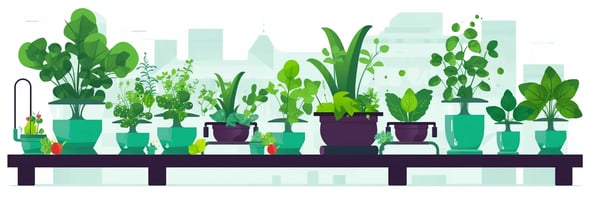
Hydroponics Uncovered: The Ultimate Guide to Boosting Your Indoor Garden
Hey there, fellow green thumbs! You know, I've been thinking. What if I told you that you could grow your
plants without soil? Sounds crazy, right? But, guess what? It's possible, and it's called
hydroponics.
What on Earth (or rather, not on Earth) is Hydroponics?
Hydroponics, my friends, is the art of growing
plants without soil. Yep, you read that right, without soil. So, instead of getting nutrients from the soil, the
plants get everything they need directly from the
water. I mean, who needs middlemen like soil anyway, right? The plant roots are exposed to nutrient-rich
water, and voila, they grow!
Why Hydroponics?
Now you might be wondering, "Why go through all this trouble when I can just stick a seed in the ground?" Well, let me tell you,
hydroponics has some awesome benefits.
First off, you can grow your
plants anywhere, even in your tiny apartment. No backyard? No problem. With
hydroponics, you don't need one. Also,
hydroponics is like a plant's dream buffet because they get all the nutrients they need without having to search for them. So, they grow faster and yield more. Plus, no soil means no soil-borne diseases. It's a win-win!
The Hydroponic System Setup
Setting up a hydroponic system is like building your indoor gardening empire. It can be as simple or as complex as you want it to be. Here's a basic rundown:
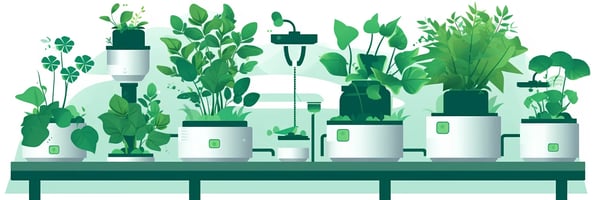
- Choose Your System: There are several types of hydroponic systems, including Wick, Deep Water Culture (DWC), Nutrient Film Technique (NFT), and Aeroponics. Each has its pros and cons, so pick your poison.
- Get Your Supplies: Once you've chosen your system, it's time to gather your supplies. You'll need a reservoir for your nutrient solution, a grow tray for your plants, an air pump to oxygenate the water, and grow lights for...well, light.
- Pick Your Plants: Not all plants are cut out for the hydroponic life. Leafy greens and herbs usually do well, but root crops and large fruiting plants may be a bit trickier.
- Prepare Your Nutrient Solution: This is your plant's food, so make it good. You can buy pre-made solutions or make your own. Just remember, balance is key.
- Plant and Maintain: Put your plants in the system, turn on the lights, and watch them grow. Monitor your plants regularly to make sure they're getting what they need.
Common Hydroponic Hurdles
Now, I'm not going to sugarcoat it.
Hydroponics can be a bit of a learning curve, and you might run into some hurdles. Like, you might forget to check the pH level of the
water and end up with a
reservoir full of dead
plants. Or, you might overdo it with the nutrients and burn your
plants. But hey, no one said indoor gardening was for the faint of heart.
Hydroponics: The Future of Gardening?
So, is
hydroponics the future of gardening? Maybe. It's sustainable, efficient, and let's face it, pretty cool. But, whether you're a
hydroponics pro or a soil-loving traditionalist, one thing's for sure: gardening, in any form, is a labor of love.
So, there you have it, folks.
Hydroponics, uncovered. Who knew you could have a thriving garden without a speck of soil? Now, go forth and grow!