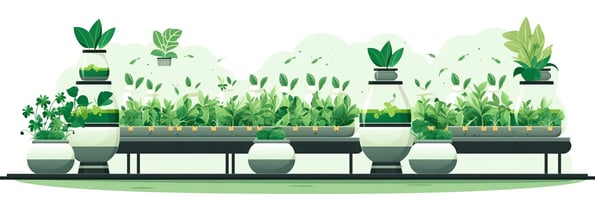
The Ultimate Guide to Hydroponics: Top Questions Answered and Why It's the Future of Gardening
Hey there, zestful gardeners and future plant parents! Have you ever wondered if there's a way to grow your favorite
plants without getting your hands dirty, literally? Well, if you have, today is your lucky day! We are about to dive into the verdant world of
hydroponics. And trust me, it's
so much more than just
plants in
water.
So, What's Hydroponics Anyway?
Great question, so glad you asked! Now, if you're imagining your precious daisies drowning in a bucket of
water, stop right there!
Hydroponics is a method of growing
plants without soil. Instead, it uses nutrient-rich
water, often paired with a non-soil material like perlite or coconut coir to keep the
plants upright. Fascinating, isn't it?
But Why Would I Want to Grow Plants without Soil?
Another excellent question! You're on fire today! Well, it's not just for the thrill of defying nature (although that’s a pretty big part of it).
Hydroponics actually makes a lot of sense. You see, when you eliminate soil, you also eliminate soil-borne diseases and pests. Plus, your
plants get their nutrition delivered straight to their roots, which means faster growth and higher yields. Also,
hydroponics requires less
water than traditional gardening. So, it's a win-win all around!
Sounds Neat! But Isn't It Complicated?
I won't lie to you; there's a bit of a learning curve. But remember when you first tried to bake sourdough during lockdown? Or attempted to do the Floss dance? Everything seems hard at first! Plus, you’re not alone. There are plenty of resources, like this blog (wink wink), to help you on your journey.
Okay, I’m Intrigued. What Do I Need to Start?
Well, aside from a pioneering spirit and a green thumb, you'll need a few things:
- A hydroponic system: These come in all shapes and sizes, from basic DIY setups to high-tech systems that would make NASA jealous.
- Nutrient solution: Remember, this is your plants' food. Don't skimp on it!
- Lights: Unless you have a sunroom or live somewhere perpetually sunny, you'll need artificial lights.
- Seeds: Obviously. You can't grow plants without them!
- A growth medium: This is the soil substitute that holds your plants up and gives the roots something to hold onto.
But Isn’t Hydroponics Just for Lettuce?
I see where you're coming from. A lot of commercial hydroponic farms focus on salad greens because they're fast-growing and high-value. But no, you're not just limited to lettuce! You can grow herbs, tomatoes, cucumbers, strawberries, and even some types of flowers.
Why Is It the Future of Gardening?
Hydroponics is the future of gardening because it addresses many of the challenges we face today:
water scarcity, land degradation, climate change, and urbanization, to name a few. By using less
water, reducing the need for pesticides, and making it possible to garden in small spaces (or even indoors),
hydroponics offers a sustainable solution for growing food in the 21st century.
Conclusion
And there you have it, folks! That's
hydroponics in a nutshell. So, are you ready to dive in and give soil-less gardening a try? Remember, every great gardener started from a tiny seed of interest, and look where you are now, reading a blog post about
hydroponics!
Who knows, maybe your first hydroponic lettuce will be the tastiest you've ever eaten. Or maybe you'll kill it. But hey, that's all part of the gardening journey, right?
So, go forth and grow, my friends. The future of gardening awaits!