Top 10 Hydroponics Secrets Unveiled: Your Ultimate Guide to Successful Indoor Gardening
Well, it's that time again. Buckle up, green thumbs, because I'm about to take you on a wild ride through the exciting, sometimes messy world of
hydroponics. You know, the one where you can grow a juicy tomato indoors and no one will even bat an eye.
1. First off, What on Earth is Hydroponics?
Let's start with the basics. What is
hydroponics? And please, no Wikipedia references.
Hydroponics is a method of growing
plants without soil. Instead, we use a nutrient-rich
water solution. Yes, you read that right. No soil.
Think of it as an all-you-can-eat buffet for your
plants - but replace "all" with nutrients, and "eat" with absorbing. Soil? Who needs it? Not your
plants, that's for sure.
2. The Right Environment is Key
Do
plants like the cold? If you answered yes, I'm afraid I've got some bad news for you. Just like humans,
plants are a bit fussy when it comes to their environment.
You wouldn't enjoy working in an office that's either Sahara-desert-hot or Arctic-circle-cold, right? Same goes for your
plants. Make sure you keep the temperature within a comfortable 18-28°C (65-82°F). Trust me, your
plants will thank you for it.
3. And Water Quality Matters, Too
Oh, you thought you could use any old tap
water for your
hydroponics system, did you? Aw, bless your cotton socks. Here's the thing: not all
water is created equal, especially when it comes to
hydroponics.
Your best bet? Use RO
water, which is short for Reverse Osmosis
water. Why? Because it's stripped of any nasty extras - like salts and heavy metals - that can mess with your
plants' buffet.
4. So Do Nutrients
Listen, I get it. The word "nutrients" can sound intimidating. Like something only botanists should worry about. But guess what? You don't need a PhD to understand plant nutrition, just a basic understanding of what your leafy friends need to grow.
In the most basic terms, your hydroponic
plants need a mix of primary nutrients (think Nitrogen, Phosphorus, and Potassium) and secondary nutrients (Calcium, Magnesium, and Sulphur). Plus, a dash of micro-nutrients like Iron, Manganese, and Zinc.
5. pH Levels? Yes, They're Important
Remember those chemistry lessons you thought you'd never use again? Well, think again. In
hydroponics, maintaining the right pH level matters.
A lot.
Keep the pH level between 5.5 and 6.5. Anything too high or too low, and your
plants might just throw a tantrum. You wouldn't like them when they're angry.
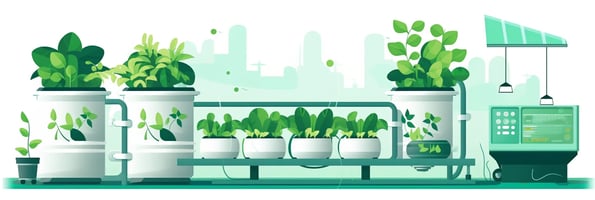
6. Choose Your System Wisely
Here’s the thing about
hydroponics: one size doesn't fit all. Your needs, your space, your budget - these all play a crucial role in choosing the right
hydroponics system. So, think carefully before you dive in.
7. Watch Out for Pests
Yes, even in the squeaky-clean world of
hydroponics, pests can make an unwelcome appearance. Keep a close eye on your garden and deal with any invaders promptly. Remember, it's easier to prevent a pest invasion than to deal with one.
8. Cleaning is Not Optional
Oh, you thought you could escape household chores by gardening indoors? I hate to burst your bubble, but cleanliness is crucial in
hydroponics.
Regular cleaning of your system will prevent the buildup of salts and algae, and help keep pests at bay. Trust me, your
plants will appreciate the spa day.
9. Not All Plants are Created Equal
Let's get one thing straight: just because you can grow something in
hydroponics, doesn't mean you should. Some
plants simply perform better in this system than others. So, choose wisely.
10. Have Patience
Last but not least, remember that good things come to those who wait.
Hydroponics might seem daunting at first, but keep at it. Before you know it, you'll be harvesting your own indoor-grown, fresh, and tasty veggies.
And there you have it. The Top 10
Hydroponics Secrets Unveiled. So, what are you waiting for? Jump in and get your hands dirty...or, I guess in this case, clean.
Happy gardening, folks!