Unlock the Secrets of Hydroponics: Your Ultimate Guide to Success in Soilless Gardening
So, you've decided it's time to ditch your soil and go soilless, huh? That's bold. But you know what they say, fortune favors the bold– or in this case, the dirt-less. Alright, without any further ado, let's dive into the weird, wonderful world of
hydroponics.
Wait, What's Hydroponics?
You're probably thinking, "What on earth is this hydro-whatchamacallit thing?" Even the name sounds like something straight out of a science fiction novel. But fear not, it's a lot simpler than it sounds.
Hydroponics is a method of growing
plants sans soil, using mineral nutrient solutions in
water, instead. But why would anyone want to do that, you might ask? Well, how about controlling your growing environment, increasing yields, and saving
water? Doesn't sound so sci-fi now, does it?
Okay, I’m Game. Now Where Do I Start?
Your enthusiasm is contagious. Let's roll up those sleeves and get to work.
First thing's first, you've got to choose the type of hydroponics system you want to use. Yeah, you heard right, there’s more than one. It’s like choosing your starter Pokémon, except all of them are good choices (sorry Bulbasaur).
DWC (Deep Water Culture)
The Deep
Water Culture system is a
hydroponics classic. It's like the Beatles of
hydroponics, really. Your plant roots are submerged in a nutrient solution, where they carefreely float and feast. To keep them from turning into a tragic reenactment of
Titanic, you provide them with air rocks (like those in an aquarium) for oxygen. Simple, yet effective.
The Wick System
This is the type of system you'd imagine an old, nostalgic farmer would use if they were forced to go hydro. It's basically soil gardening, just without the... soil. Your
plants are in an absorbent substance, and you have wicks going from this medium down into your nutrient solution. The capillary action of the wicks transports the nutrients to your
plants. It’s low-tech, but hey, if it ain't broke...
NFT (Nutrient Film Technique)
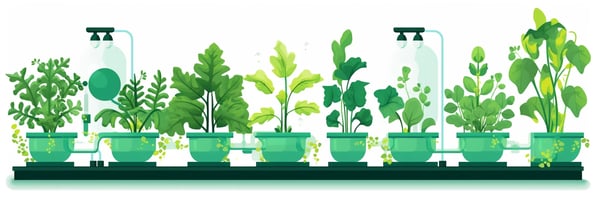
This one's for the tech geeks out there. The Nutrient Film Technique is like the Tesla of
hydroponics. It involves recirculating a thin film of nutrient solution over the roots of your
plants, which are held in a slightly sloped trough. It's efficient, high-tech, and did I mention it looks incredibly cool?
Ebb and Flow
The ebb and flow system is all about balance, like a zen monk. It temporarily floods the plant roots with nutrients before draining it all back. It's a routine, like going to the gym every day except this one actually makes you happy.
Tips and Tricks to be a Hydroponics Pro
Like with any hobby, having a few tricks up your sleeve can make all the difference. So here are a few tidbits to help you become that
hydroponics nerd you always dreamed you'd be.
Choose the Right Plants
Some
plants grow better hydroponically than others. Lettuce, spinach, strawberries, and numerous herbs are all excellent contenders. Sorry, to all those potato enthusiasts - this might not be the right fit for your starchy dreams.
Watch Your pH
Just like me after a weekend of indulgence, your nutrient solution will need constant checking and adjustment of its pH levels. Most
plants prefer a pH range of 5.5 to 6.5; anything above or below that, and they might start throwing a tantrum.
Keep It Clean
It's not just about keeping the system clean for the sake of appearances. A dirty system can lead to all sorts of issues, like diseases and pests. So grab that scrub brush and cleaning solution, and work that elbow grease!
Wrapping It Up
So there you have it - a crash course in
hydroponics. Sounds pretty cool, huh? It's gardening but with a futuristic twist. It's about being in control and optimizing everything, whether you're a lettuce lover or a herb enthusiast.
But remember, as Uncle Ben (from Spiderman, not the rice box) said, "With great power comes great responsibility." So keep those pH levels checked, keep it clean, and don't forget to enjoy your journey into the world of soilless gardening. After all, isn't enjoyment the whole point of having a hobby– even one as soil-less and futuristic as
hydroponics?