Unlocking the Future of Gardening: A Comprehensive Guide to Hydroponics
Hello, fellow green-thumbs and plant enthusiasts! Have you ever wondered if there's a way to garden without getting your hands dirty? No, I'm not talking about hiring a gardener (although that's not a bad idea if you're allergic to soil... or work). I'm talking about a method that's as futuristic as self-driving cars and as cool as the dark side of the pillow -
hydroponics.
What the Heck is Hydroponics, Anyway?
Hydroponics, my curious friend, is not a new genre of techno music. It's a method of growing
plants without soil. I know, I know. It sounds like something out of a sci-fi movie, but it's as real as the dirt under your fingernails.
Instead of soil,
plants are grown in an inert medium like perlite or coconut coir, and nutrients are delivered directly to the roots via a nutrient-rich
water solution. It's like delivering a gourmet meal directly to your
plants' doorsteps. Talk about room service!
But Why Would I Want to Try Hydroponics?
Good question, my skeptical friend. Why would you want to try something that sounds like it belongs in a NASA lab? Well, for one, it's efficient.
Hydroponics uses up to 90% less
water than traditional soil gardening. Plus,
plants grow faster and produce more. It's like your
plants are on steroids, but without the rage and the bad side effects.
Secondly, it's versatile. No backyard? No problem!
Hydroponics can be done indoors, outdoors, in a big space, or a small one. You can even do it in a closet, although I wouldn't recommend that unless you want your clothes to smell like tomatoes.
Lastly, it's fun. Seriously, who wouldn't want to say they're a hydroponic gardener? It's a great conversation starter at parties, trust me.
Okay, I'm Sold. How Do I Start?
Starting your hydroponic journey is easier than learning how to pronounce "
hydroponics". There are different systems you can choose from, but let's focus on the two most beginner-friendly ones: the wick system and the
water culture system.
Wick System
The wick system is the hydroponic equivalent of a starter Pokémon. It's simple, reliable, and doesn't require any fancy equipment. Your
plants are placed in a container filled with an inert medium, and a wick connects this container to a nutrient solution
reservoir. The wick acts like a straw, drawing up the nutrient solution to the roots of your
plants. It's like your
plants are sipping on a nutrient cocktail all day long.
Water Culture System
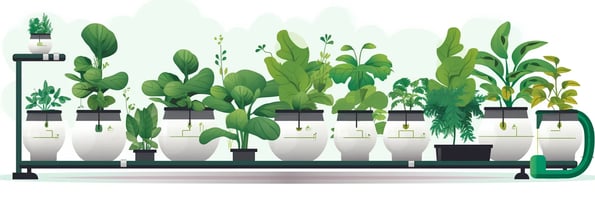
The
water culture system, on the other hand, is like leveling up your hydroponic game. It involves suspending your
plants on a Styrofoam platform that floats on top of the nutrient solution. The roots dangle into the solution, soaking up all the good stuff. This system is great for
water-loving
plants, but not so great for
water-phobic
plants. So, maybe don't try growing cacti this way.
What About the Nutrients?
Ah, the nutrients. The secret sauce of
hydroponics. You see, in soil gardening, the
plants get their nutrients from... well, the soil. But in
hydroponics, you have to provide the nutrients yourself. You can buy pre-mixed nutrient solutions, or if you're feeling adventurous, you can mix your own. Just remember, too much of a good thing can be bad. Overfeeding your
plants is like overfeeding your goldfish - it doesn't end well.
To Sum It Up
Hydroponics might sound like something from a futuristic novel, but it's a practical and efficient way to garden. It saves
water, boosts plant growth, and can be done anywhere. Plus, it's a great way to impress your friends and confuse your neighbors.
So, why not give it a try? Get your hands wet instead of dirty, and dive into the world of
hydroponics. Who knows, you might just find that it's your new favorite way to garden. And if not, well, at least you'll have a good story to tell. Happy gardening, my friends!