Unlocking the Secrets of Hydroponics: A Comprehensive Guide to Indoor Gardening Success
Did you know that you can be a full-blown farmer without ever getting mud on your boots? Yep, you read that right! Welcome to the world of
hydroponics, where the grass is always greener, and the tomatoes are always redder. And the best part? You can do it all from the comfort of your living room. Sound too good to be true? Well, stick around and let me fill you in.
So... What Exactly Is Hydroponics?
If you think
hydroponics sounds like something out of a sci-fi movie, you're not alone. But, trust me, the only thing alien about
hydroponics is how ridiculously easy and efficient it makes indoor gardening.
In the simplest terms,
hydroponics is a method of growing
plants without soil. Yeah, you heard right, no soil! Instead, we use mineral nutrient solutions in a
water solvent. Essentially, we're removing the middleman (aka soil) and serving nutrients straight to the
plants. It’s like giving the
plants a direct line to UberEats, only healthier.
Let's Talk About the Benefits, Shall We?
Now, I know what you're thinking. "Why go through all this trouble when I can just stick a seed in some soil and let nature do its thing?" Well, dear reader, because
hydroponics has some serious advantages. For starters, it saves
water (up to 90% less than traditional gardening). It allows for a controlled environment, giving you the power to play Mother Nature. Plus, because it’s indoor, it's a year-round gig. No more waiting for spring to grow your veggies!
How Do I Set Up My Hydroponics System?
Great question, my budding gardener. There are several types of hydroponic systems, and choosing one depends on how much space you have, your budget, and what kind of
plants you want to grow.
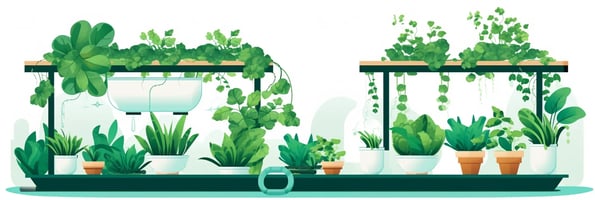
- Wick System: The simplest form of hydroponic gardening. No moving parts, just a wick connecting your plant with the nutrient solution. It’s so simple, it’s almost cheating!
- Deep Water Culture (DWC): A system where you suspend your plants in nutrient-rich water. It's like a spa day for your plants. However, it's not suitable for large, heavy plants. You wouldn't want your watermelon crashing the party, would you?
- Nutrient Film Technique (NFT): This system uses a thin film of nutrient solution over the roots of your plants. It requires a bit more setup, but hey, who said being a hydroponic hipster was going to be easy?
The Essential Elements
Once you have your system set up, it's time to focus on the essentials that your
plants will need. First up,
Light.
Plants love light more than Instagram influencers do. If you don't have access to enough natural light, no worries! There are plenty of affordable grow lights on the market.
Next up,
Temperature. Just like Goldilocks,
plants like it not too hot, not too cold, but just right. Most
plants prefer a sweet spot between 65 and 80 degrees Fahrenheit.
Lastly, don't forget about
Humidity. Most
plants prefer a humidity level between 40% - 60%. And please, don't forget about ventilation. You wouldn't like to live in a stuffy room, would you? Neither do your
plants.
Troubleshooting in the Hydroponic World
Like any other gardening method, hydroponic systems can come with their own set of challenges. Keep an eye on your
plants for signs of trouble, such as yellow leaves or slow growth. Remember,
plants can't speak, but they're pretty darn good at showing you when something's up.
The Final Words
So, there you have it.
Hydroponics in a nutshell. Easy? Not always. Worth it? Absolutely. It might not be the traditional way of doing things, but then again, who wants to be traditional? Not us
hydroponics folks, that's for sure!
Remember, every good gardener has killed a few
plants (or a few dozen) along the way, so don't get discouraged. At the end of the day, it's all about the joy of watching something grow.
Happy hydroponic gardening, my friends!