Unlocking the Secrets of Hydroponics: A Comprehensive Guide to the Future of Gardening
Hello there, Green Thumbs and Technophiles! It's time to roll up your sleeves and put on your lab goggles because we're about to dive headfirst into the future of gardening. Who needs soil, anyway? It's messy, it's buggy, and let's face it – it’s so last season. Enter
Hydroponics!
What on Earth is Hydroponics?
Good question! Well, ironically, it has very little to do with the earth at all. In a nutshell,
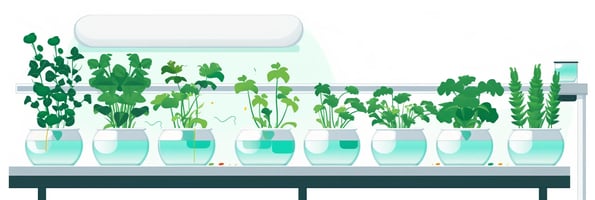
hydroponics is the method of growing
plants without soil, instead using nutrient-rich
water solutions. This essentially means we're turning
plants into aquatic creatures. Now, who said gardening wasn't exciting?
Why should I care?
Why? Well, because you're a forward-thinking, eco-loving, trend-setting individual, that's why! But seriously,
hydroponics is a game-changer. It uses less
water than soil-based
plants (Yes, you read that right!), grows
plants faster, and can be done in the comfort of your own home. No more worries about seasons or weather. It's like having summer all year round!
But isn’t it complicated?
Well, dear reader, I won’t sugar-coat it.
Hydroponics does involve a bit of science. But fear not! I promise you won't need a PhD in Botany. Just a little patience, a dash of dedication, and an Internet connection to read this blog.
The Basics: System Types
There are six types of hydroponic systems. Yes, six! Enough to keep you on your toes.
-
Wick system: The no electricity, no problem system. It uses a wick to draw the nutrient solution into the plant's growing medium. It's like a plant drinking through a straw. Easy peasy!
-
Deepwater Culture (DWC): Here, your plants will be floating directly on the nutrient solution. Sounds relaxing, right?
-
Nutrient Film Technique (NFT): This system has a constant flow of nutrient solution so there’s no timer to mess with. Your plants are always eating. It’s the buffet of hydroponics.
-
Aeroponics: This one’s my personal favorite. Your plants hang in the air and are misted with the nutrient solution. It's like they're at a fancy spa!
-
Ebb and Flow (Flood and Drain): This method floods the grow tray with the nutrient solution at specific intervals. It’s like high tide, but instead of sea water, it’s all the good stuff your plants need to grow.
-
Drip systems: Just like it sounds, this one slowly drips the nutrient solution onto the grow medium. It's like a slow, steady rain for your plants.
Getting the pH Right: A Balancing Act
pH level is one of those things that sounds a lot more complicated than it really is. I mean, when was the last time you had to balance anything other than your checkbook? But getting it right can mean the difference between a plant that's thriving and one that's just surviving.
Nutrients: The Lifeblood of Hydroponics
In a soil environment,
plants get nutrients from...you guessed it...the soil. But in
hydroponics, you have to add the nutrients directly to the
water. It's like making a nutrient cocktail for your
plants. Just remember, too much of a good thing can be harmful, so measure carefully!
Lights, Temperature, Humidity, Oh My!
Controlling the environment is key in
hydroponics. You're basically playing Mother Nature, but without the unpredictable weather patterns. Keep in mind that different
plants have different needs, so you might need to do a bit of Goldilocks testing to get it just right.
The Takeaway
In a nutshell,
hydroponics is an innovative, eco-friendly, and downright cool way to garden. It’s not without its challenges, but then, what worthwhile hobby isn’t? So, are you ready to jump into the world of
hydroponics? I promise, the
water's just fine!
Conclusion
And that, my friends, is your crash course in
Hydroponics 101. It’s a whole new way to flex your green thumb, without getting any actual dirt under your nails. So there you have it. The future of gardening is here, and it’s wetter than ever. Happy
Hydroponics!